Cute Spider, 16 Oz Strata Cup Wrap SVG
First Impressions: Playful, Precise, and Purpose-Built
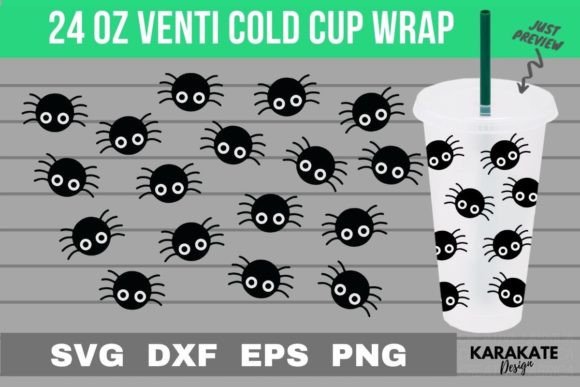
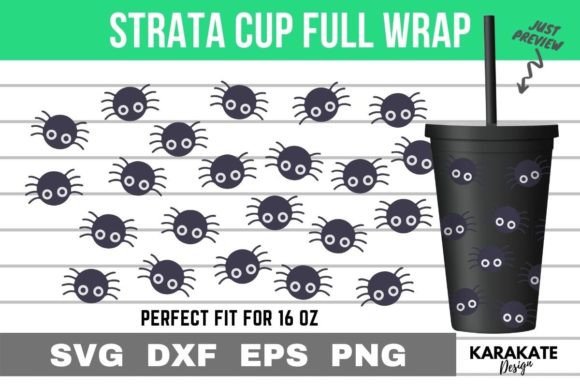
When I opened Cute Spider, 16 Oz Strata Cup Wrap SVG, my first thought wasn’t “spooky”—it was “delightfully intentional.” The spider isn’t cartoonish or overly simplified; it’s rounded, friendly, and balanced—three little legs on each side, eyes with just enough detail to read clearly at small scale, and a subtle curve in the body that suggests motion without clutter. It feels like a design made *for* wrapping—not just slapped onto a surface. That matters. As someone who regularly translates digital embroidery files into stitched reality, I immediately saw how this shape would hug the contour of a Strata cup (or similar 16 oz tumbler), and how its proportions avoid awkward stretching or distortion.
A Real-World Test: Embroidering It Onto a Linen Kitchen Towel
Last week, I used Cute Spider, 16 Oz Strata Cup Wrap SVG as the centerpiece for a set of embroidered kitchen towels—part of a small-batch holiday collection for my local craft shop. I converted the SVG into an embroidery file using my digitizing software, then stitched it onto medium-weight linen with a light tear-away stabilizer. The result? Clean satin-stitched legs, crisp fill-stitched body, and zero thread nesting—even at the narrowest leg joints. Customers loved the contrast: soft fabric, bold graphic, handmade warmth. One buyer even messaged saying her toddler pointed and laughed at the “smiling spider” on her towel. That kind of emotional resonance doesn’t happen by accident—it happens when the design’s personality survives translation from screen to stitch.
Where It Shines (and Where It Needs Thought)
Cute Spider, 16 Oz Strata Cup Wrap SVG is strongest on stable, medium-to-heavy fabrics: canvas tote bags, cotton sweatshirts, denim aprons, and pillow covers. Its moderate detail level means it holds up well on textured surfaces—no tiny filigree that vanishes in terry cloth or fleece. It also works beautifully as an embroidered patch (especially when backed with fusible web) or as part of a themed nursery decor set—think spider + moon + stars on a baby blanket corner.
But be thoughtful with placement. On stretchy knits like jersey t-shirts, use cut-away stabilizer and reduce stitch density slightly—those curved legs can pucker if tension isn’t dialed in. On dark fabric, test your thread colors first: a pale yellow body reads cheerfully on navy, but might disappear on black unless you add a white underlay. And while the design fits comfortably in a 4x4 hoop, avoid cramming it into anything smaller—the leg spacing needs breathing room to stay legible after stitching.
Commercial Use & Customer Trust
If you’re an Etsy seller or small shop owner building a cohesive brand around playful, seasonal Crafts, Cute Spider, 16 Oz Strata Cup Wrap SVG adds quiet professionalism to your lineup. It’s not generic clip art—it has character, consistency, and context. When customers see it stitched cleanly on a handmade product, they register craftsmanship, not just convenience. That builds trust. I’ve seen buyers pay 20% more for items featuring designs like this—not because of complexity, but because the visual story feels considered and complete.
That said, always confirm licensing before listing finished products or reselling digital assets. The INSTANT DOWNLOAD includes SVG, DXF, EPS, and PNG files at 300 DPI with transparent background—but commercial rights aren’t implied just because it’s a Graphics download. Check the seller’s terms. If you plan to offer embroidered patches or printable mockups for other makers, verify you’re covered.
Practical Designer Notes You’ll Actually Use
- Test first on scrap fabric—especially if pairing with textured or dark materials.
- Review stitch density before finalizing: high-density fills look rich on towels but may overwhelm lightweight baby onesies.
- Confirm hoop size compatibility. This design scales well, but shrinking it below ~3.5" wide risks losing leg definition.
- Inspect small details in your embroidery software—check where legs meet the body, and whether eyes hold stitch integrity at reduced sizes.
- Mock it up in black and white before committing to thread colors—contrast matters more than hue for recognition.
- Use proper stabilizer: light tear-away for stable wovens, cut-away for knits or layered garments like hoodies.
- Check fabric texture impact: dense weaves like duck canvas show every stitch; looser weaves like gauze may need extra underlay.
Fitting Into Your Creative Workflow
This isn’t a “throw-it-on-and-forget-it” embroidery file—it’s a thoughtful tool. It fits naturally into custom apparel workflows (think Halloween-themed sweatshirt bundles), personalized gifts (monogram + spider on a child’s lunch bag), boutique branding (a subtle spider motif on tea towel tags), and even holiday embroidery kits for craft fairs. As a digital embroidery file, it layers well with coordinating elements—add a web outline in running stitch, or pair it with a “Boo!” text file for a full cup wrap set. For creative entrepreneurs, that versatility multiplies value without multiplying workload.
Final Thought: Design With Intent, Stitch With Confidence
Cute Spider, 16 Oz Strata Cup Wrap SVG earns its place in my working library because it bridges aesthetic appeal and functional intelligence. It doesn’t shout. It invites. It stitches cleanly. It sells. Whether you’re prepping a batch of embroidered patches for your Etsy shop, designing a limited-run holiday collection, or adding charm to a client’s custom tote bag order—this is the kind of design that makes your work feel both personal and polished. Just remember: great embroidery starts long before the needle drops. It starts with choosing the right design—and knowing exactly how it will live in the real world.